Science International-Collaborative Research Fund (SI-CRF)
This non-profit organization established and filed with the State of Minnesota in 1998 provides a connection for philanthropy, volunteerism and grantmaking.
SI-CRF provides fundraising opportunities and contributions are tax deductible to help fund educational, research, and health related activities for individuals (student-faculty-organization) connections for those desiring to participate in collaborative international research in scientific fields. SI-CRF is also dedicated to cross-cultural communication within our diverse peoples of the United States such that through conversations and focus on who we are as scientists, health care, lifelong learners, and as humans build our community and make us all healthier and more resilient.
Please click the button to donate via PayPal.Me/beverlysmithkeiling or contact us via the contact form If you need a receipt for a tax deductible contribution to the 501(c)3 non-profit organization Science International-Collaborative Research Fund, please specify the project you wish to donate to, and request a receipt.
*Credit and debit cards as well as your Paypal account can be used for donations*
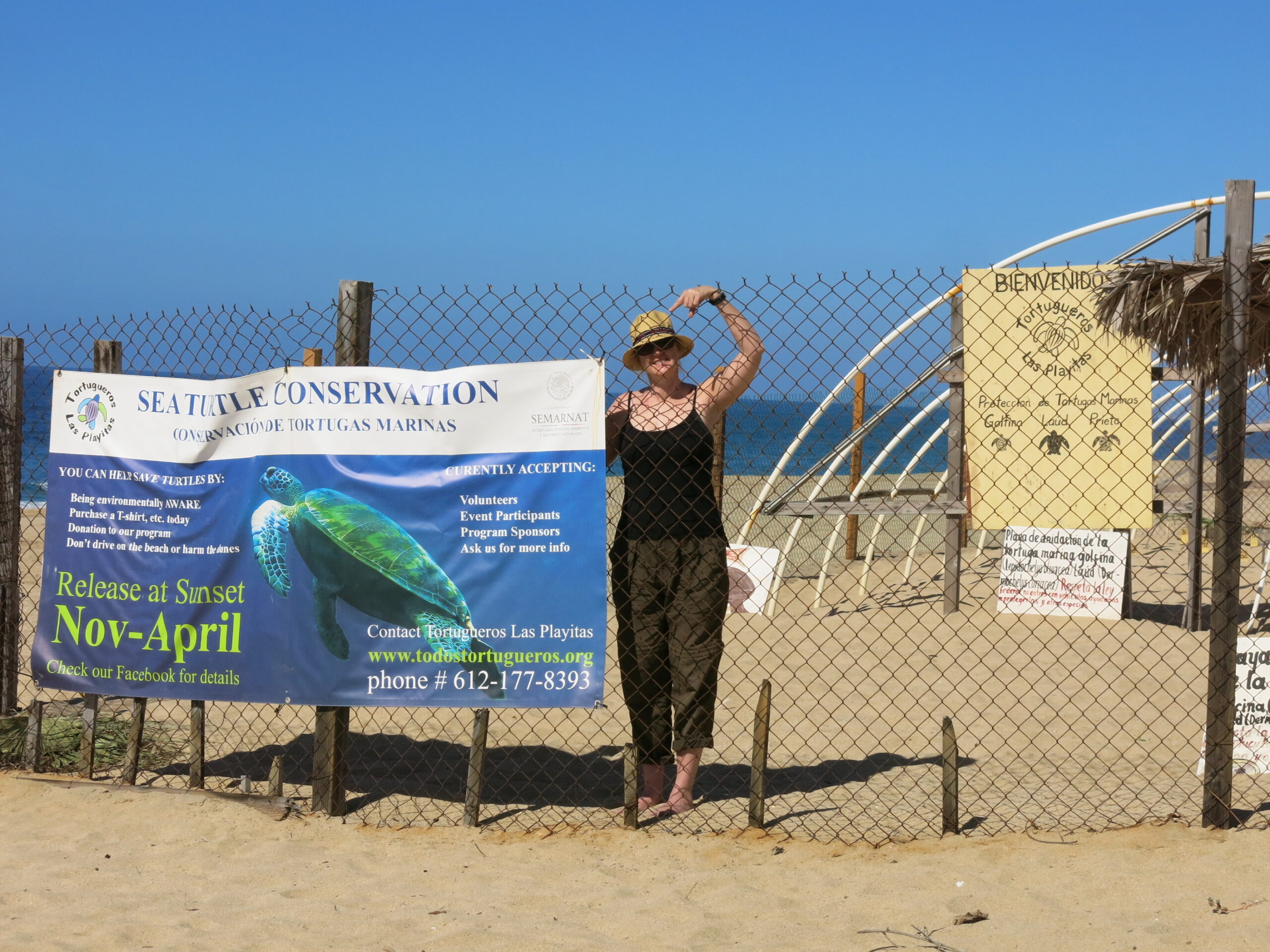
Sea Turtle Conservation Gallery
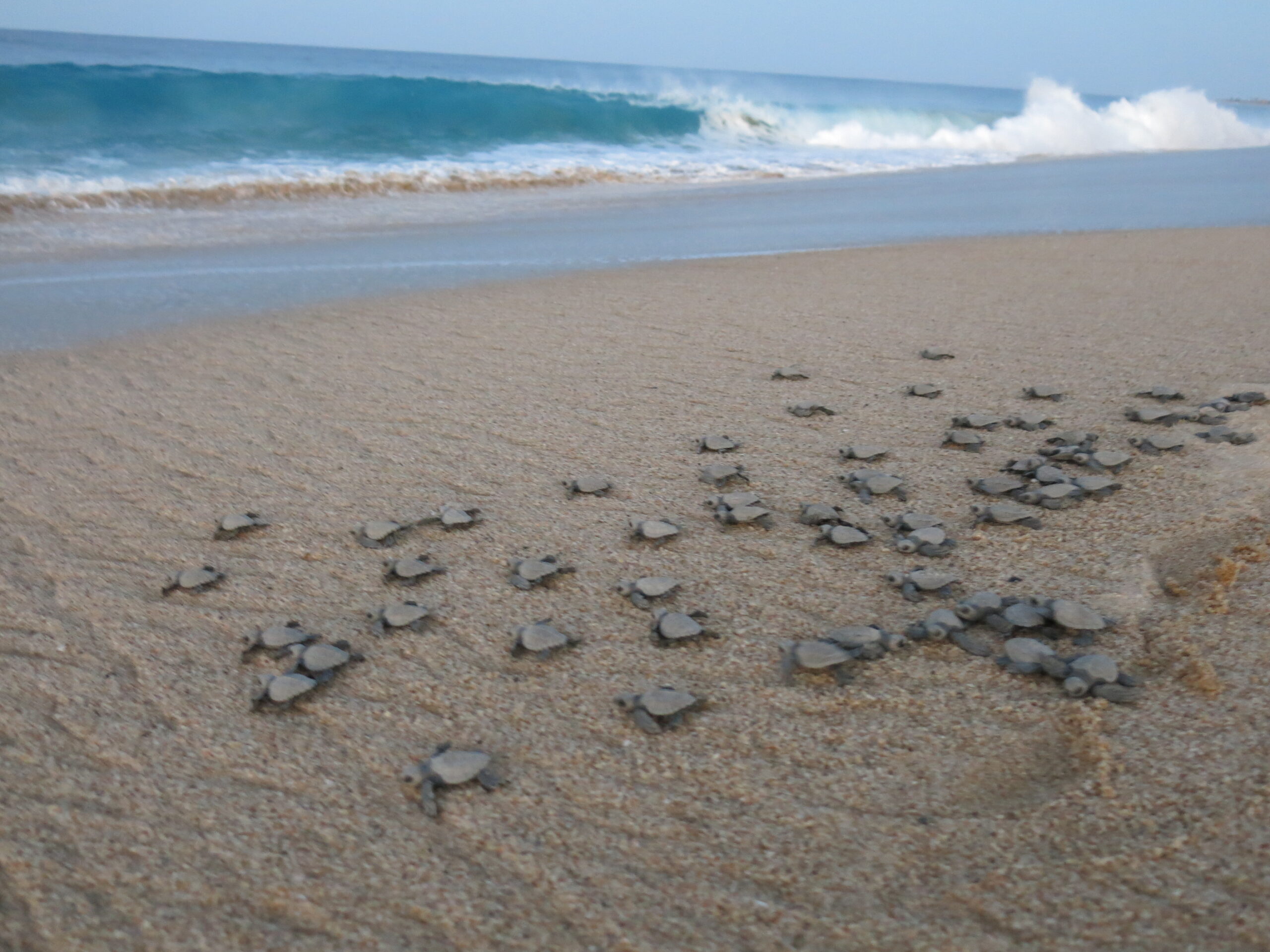
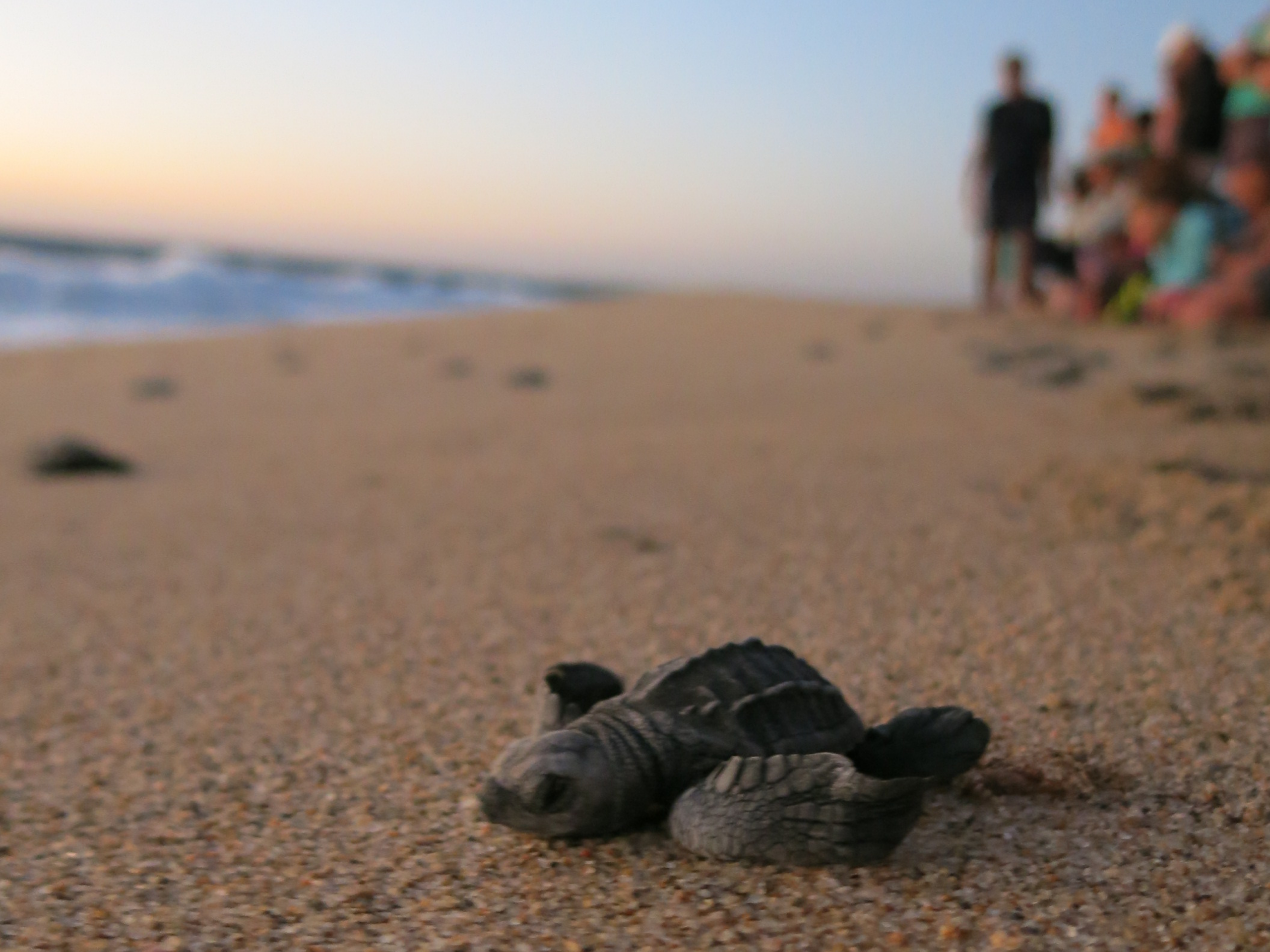
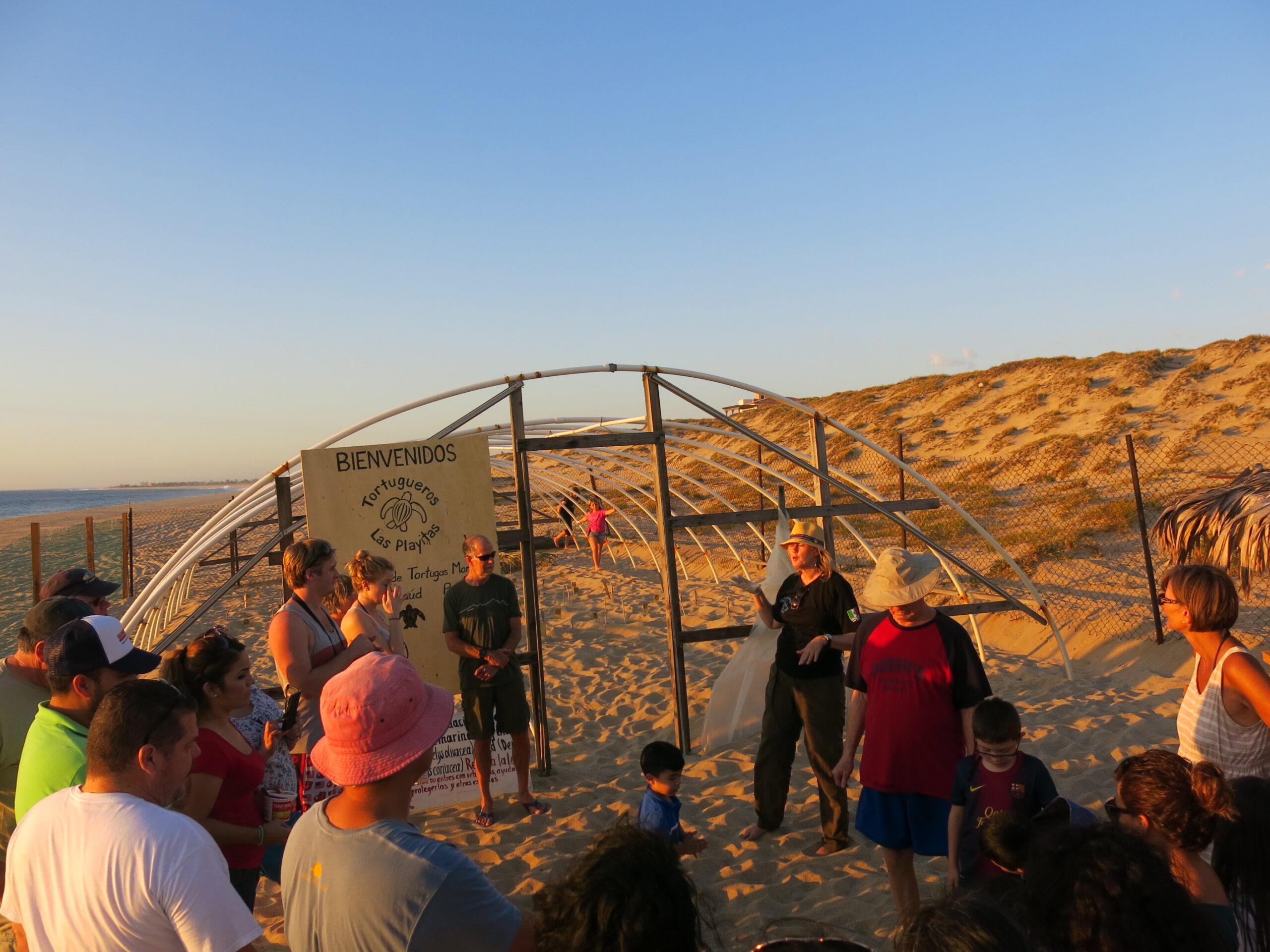
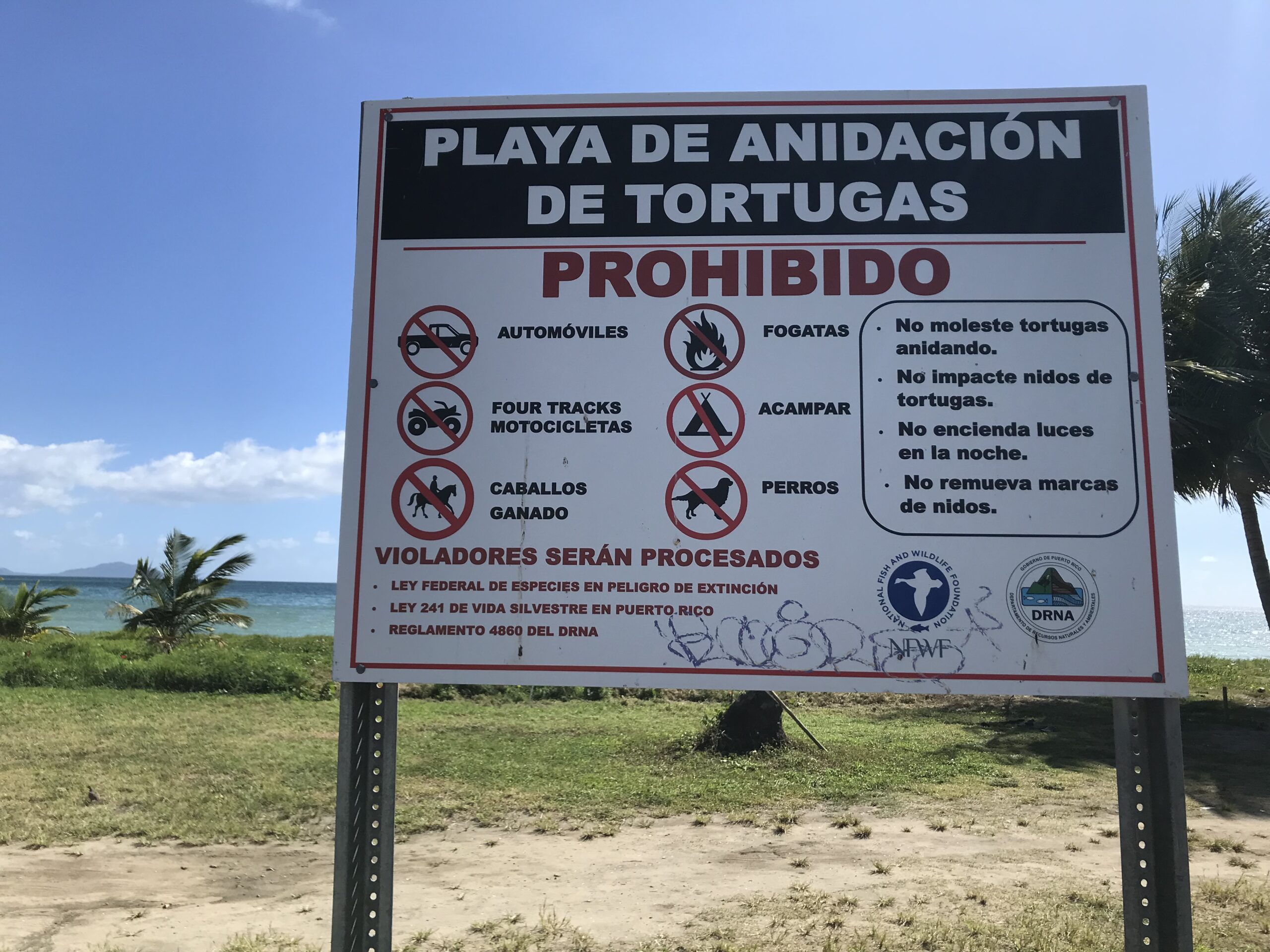
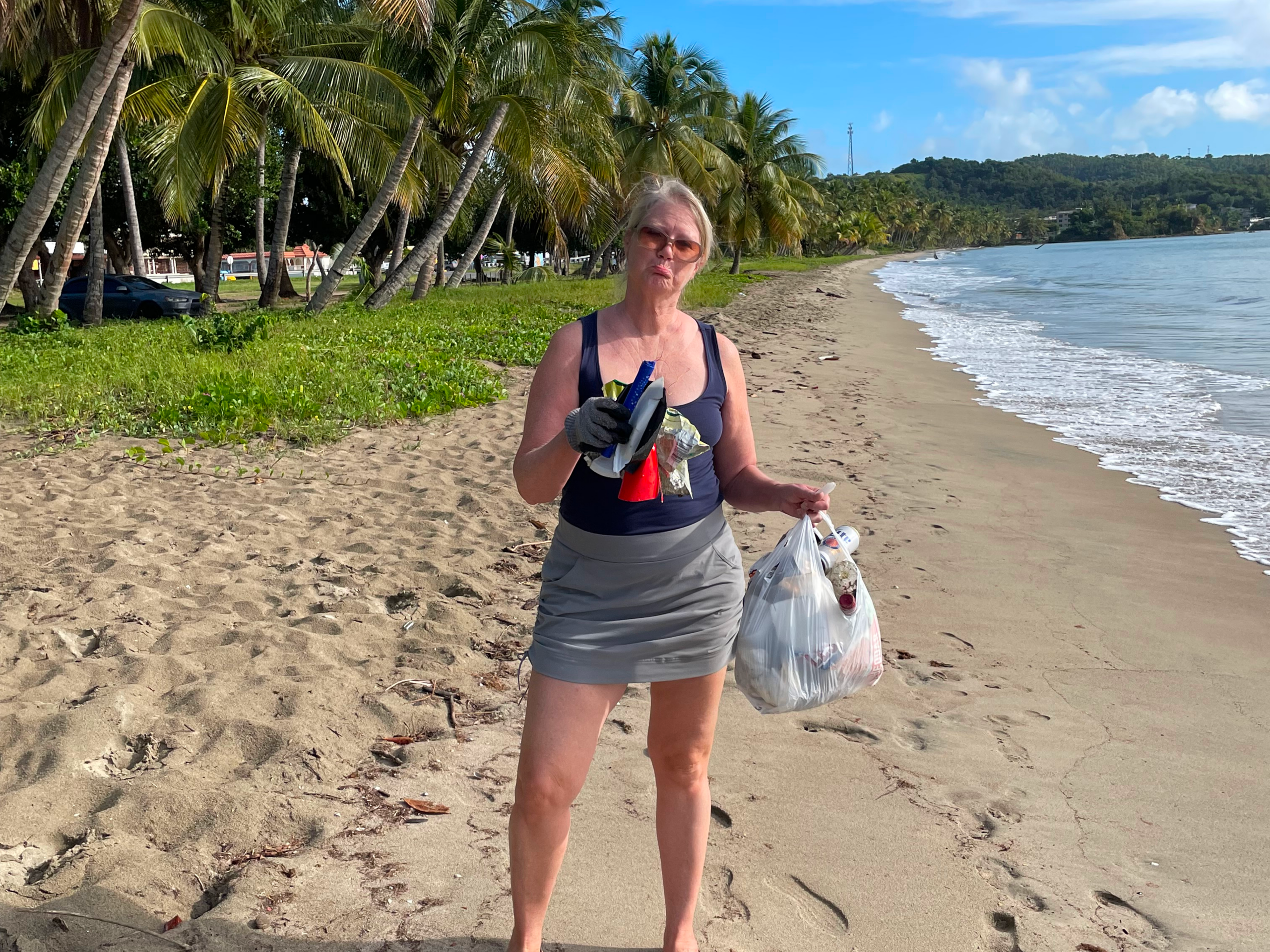
Various sea turtle species roam the seas of the world, grow, mate, and the females come upon the land of their origin to lay eggs. Conservation includes keeping beaches and oceans clean of debris, not using plastic that strangles, or using plastic bags that the turtles mistake for jellyfish they feed upon. We’ve had the opportunity to patrol beaches to prevent damage to eggs by animals and humans, relocating eggs to protected areas and building greenhouses for better temperature control with the changing, unpredictable climate. The greatest excitement comes with public education while releasing each new hatch as they imprint and move to the sea to return again in the hopeful cycle.
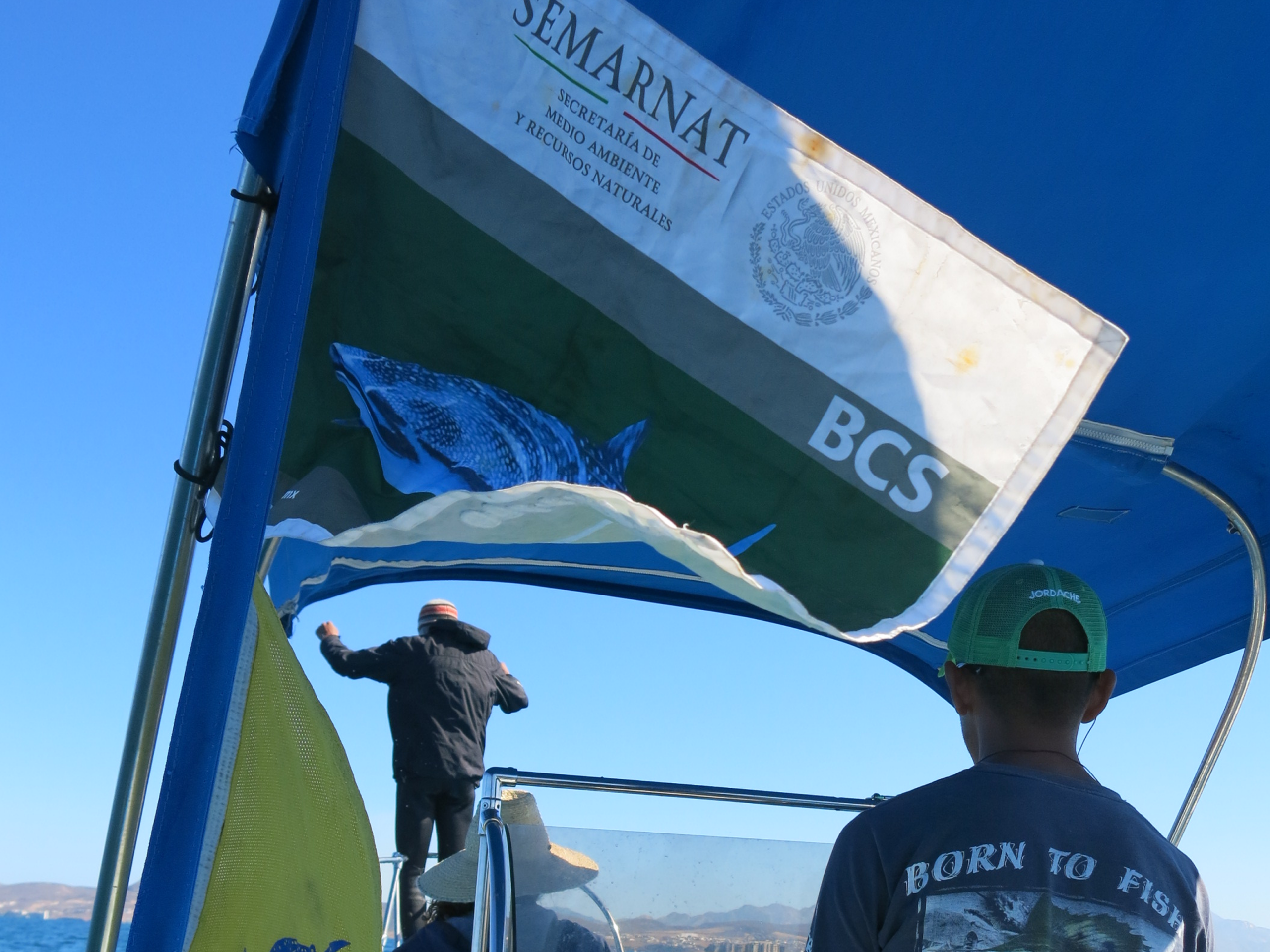
Whale and Whale Shark Conservation
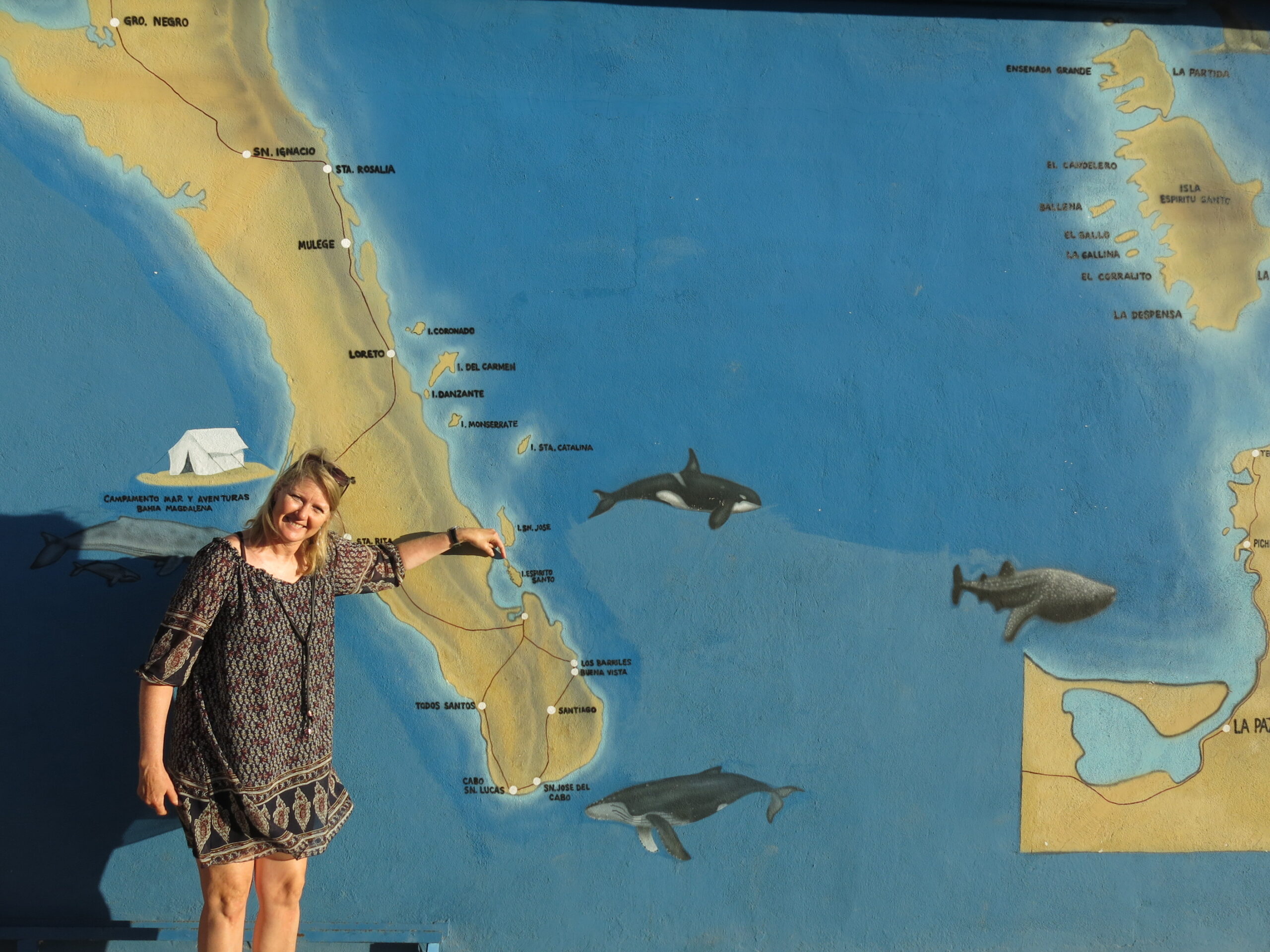
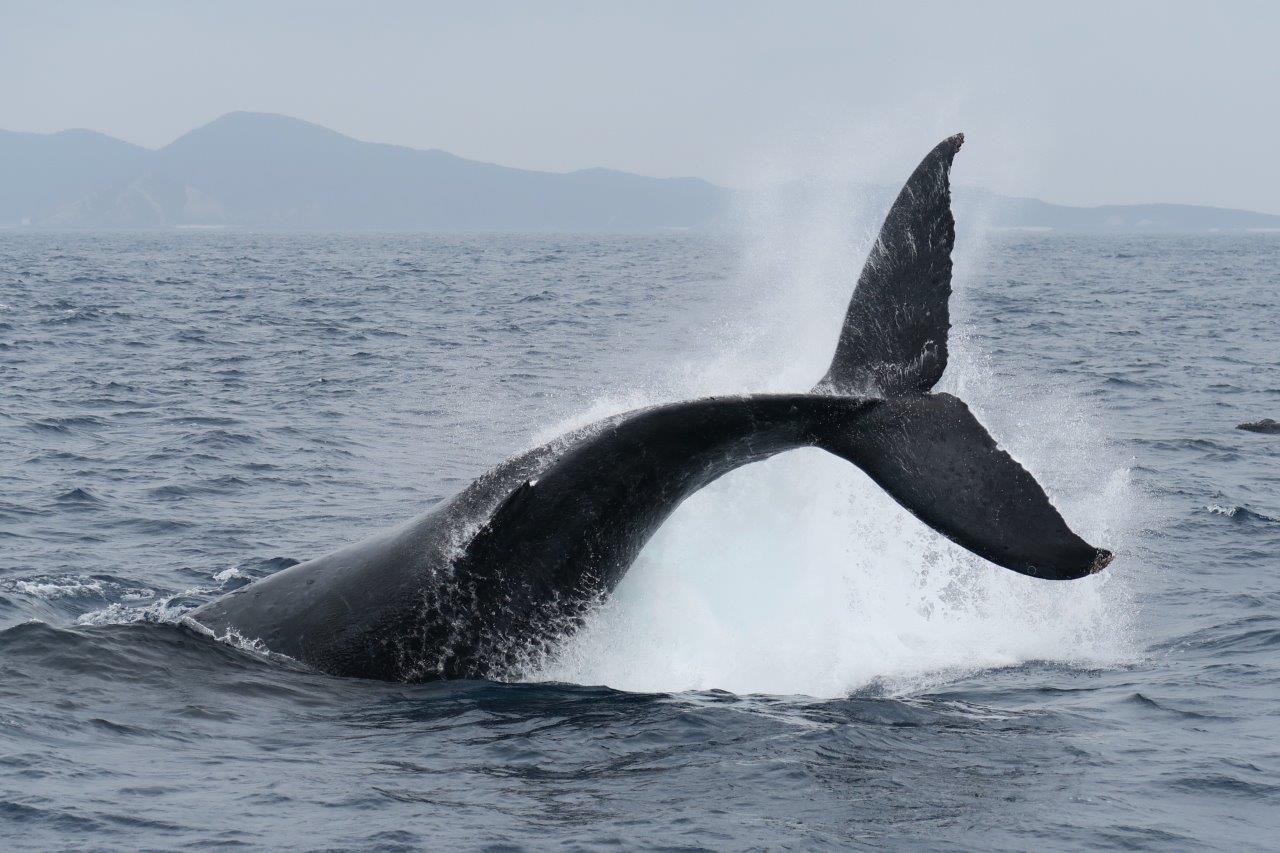
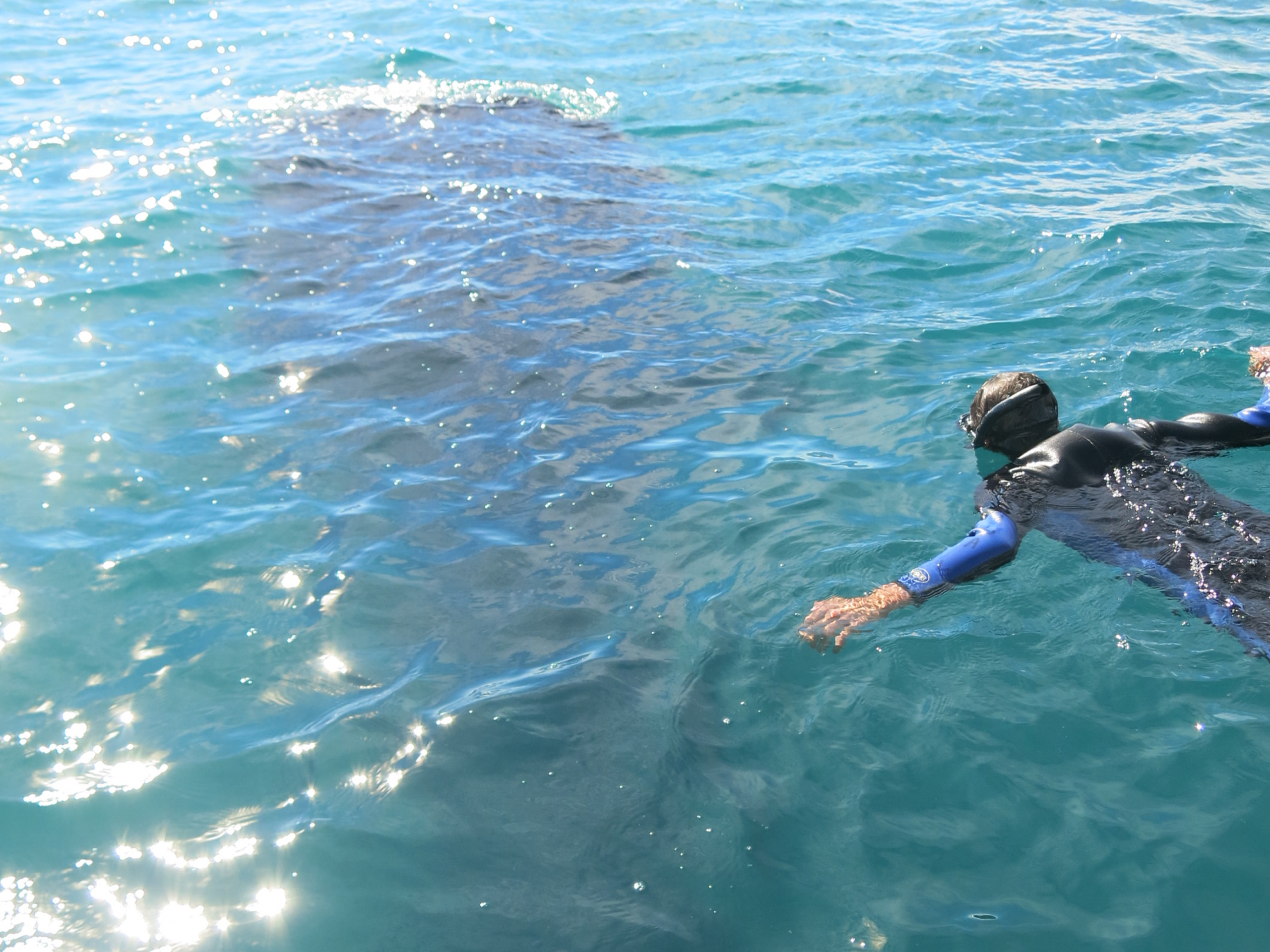
Whales differ from whale sharks, and both are tracked by tail fin marking identification, sex identification, and population counts to record how climate and human interaction are impacting them.
Beach and Mangrove Conservation
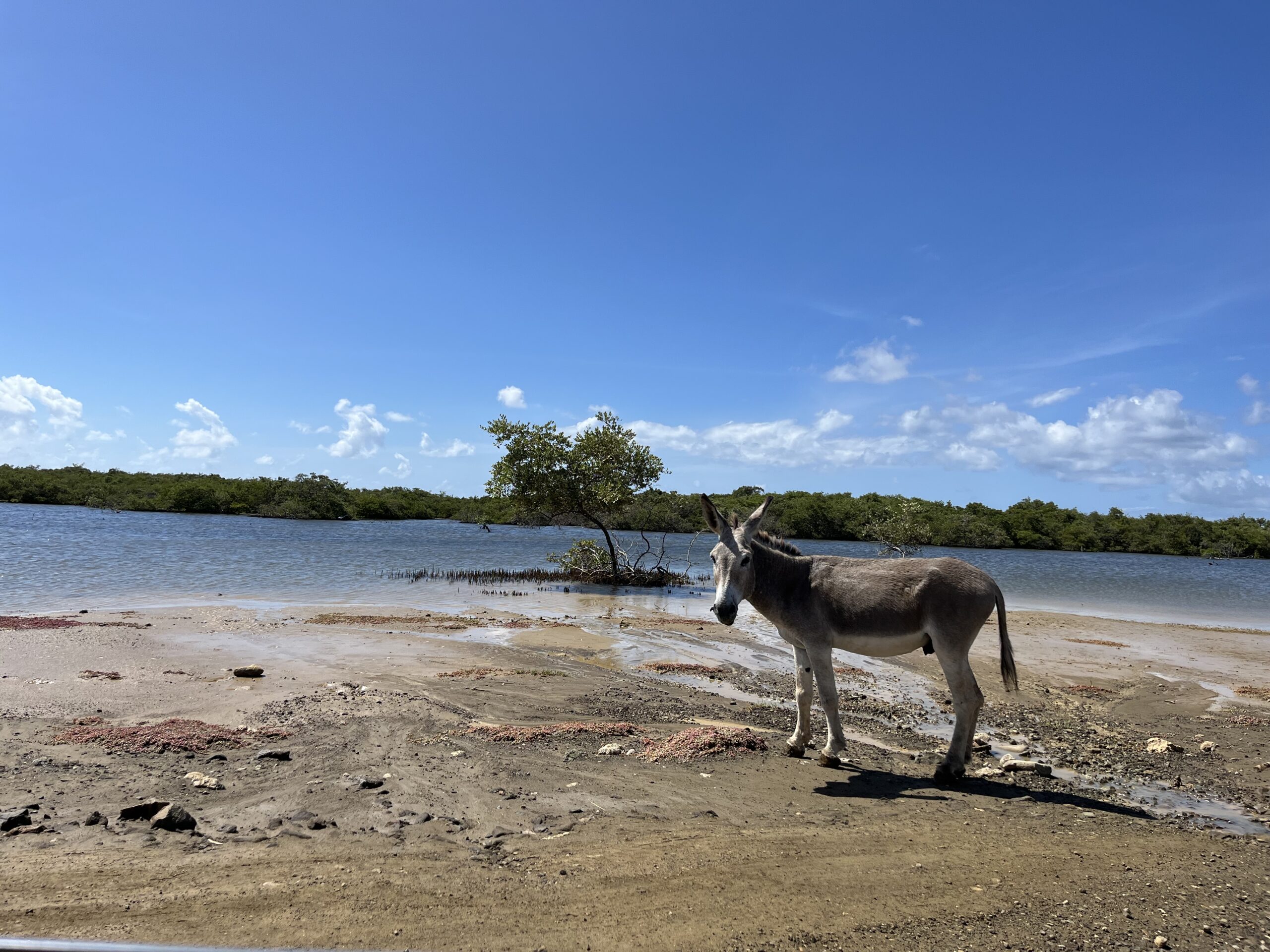
Mangroves are vital for protecting coastlines, filtering pollutants, sequestering carbon, and providing a density of nutrients supporting multiple species beyond wild donkeys or humans.
Bamboo Forest Conservation
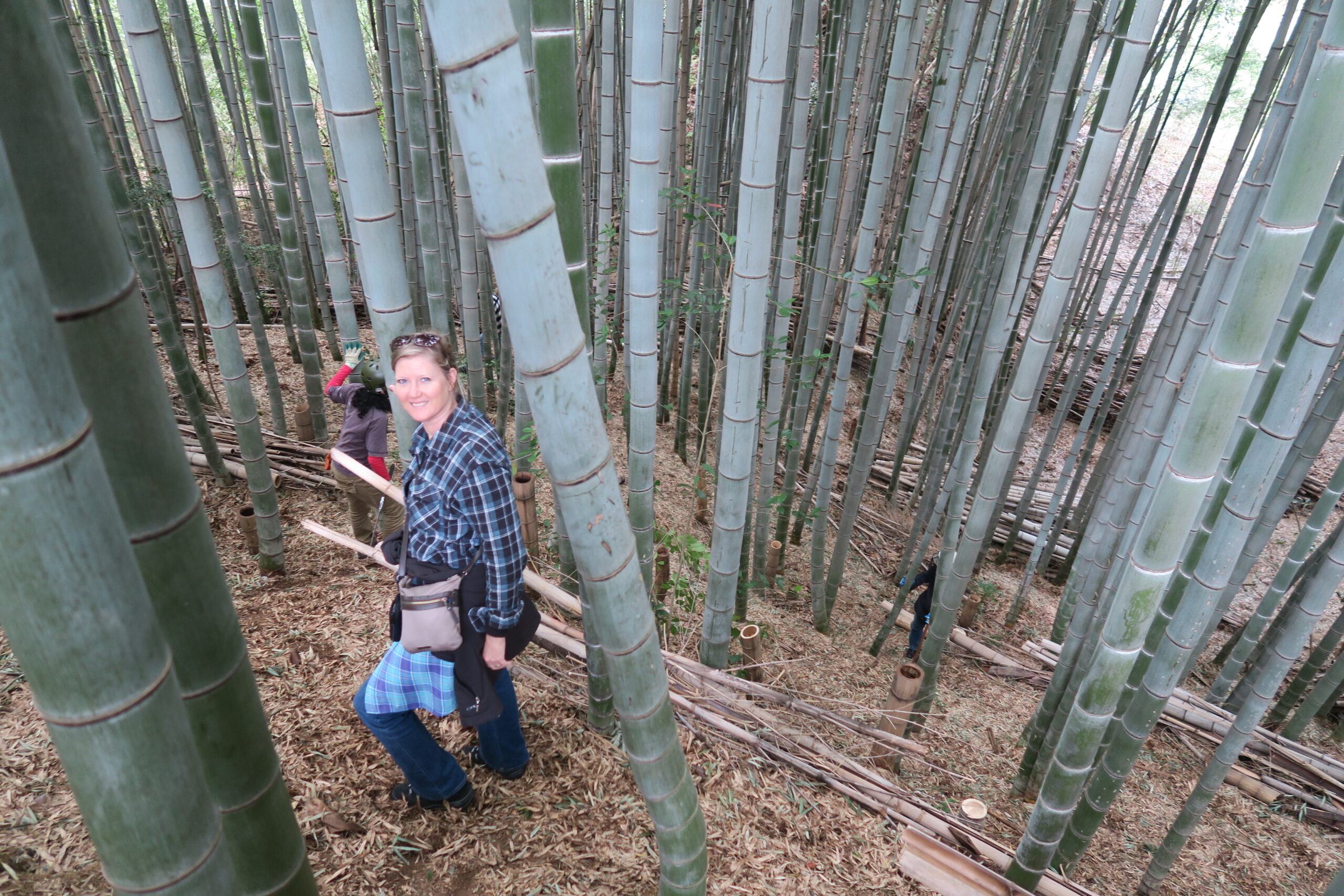
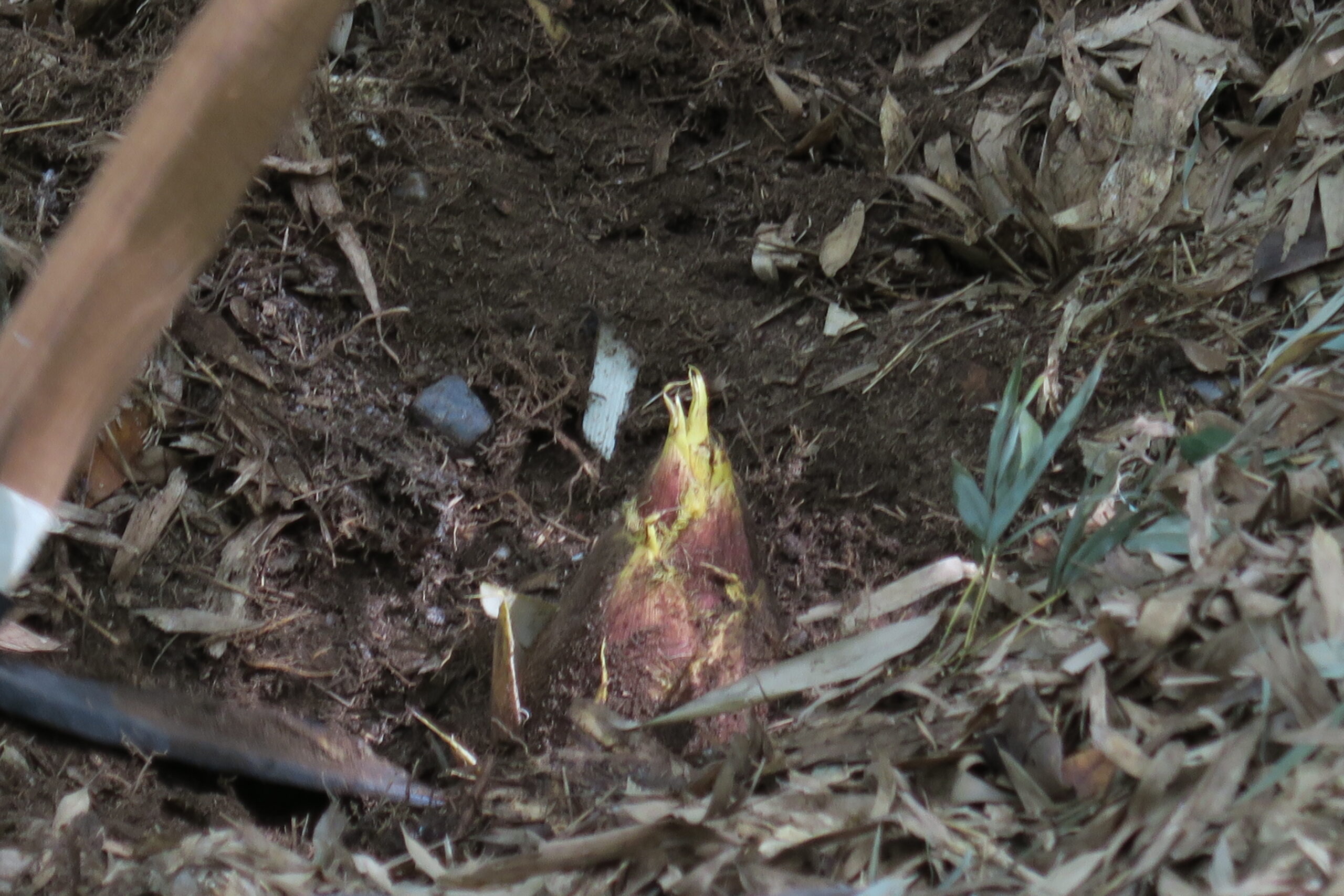
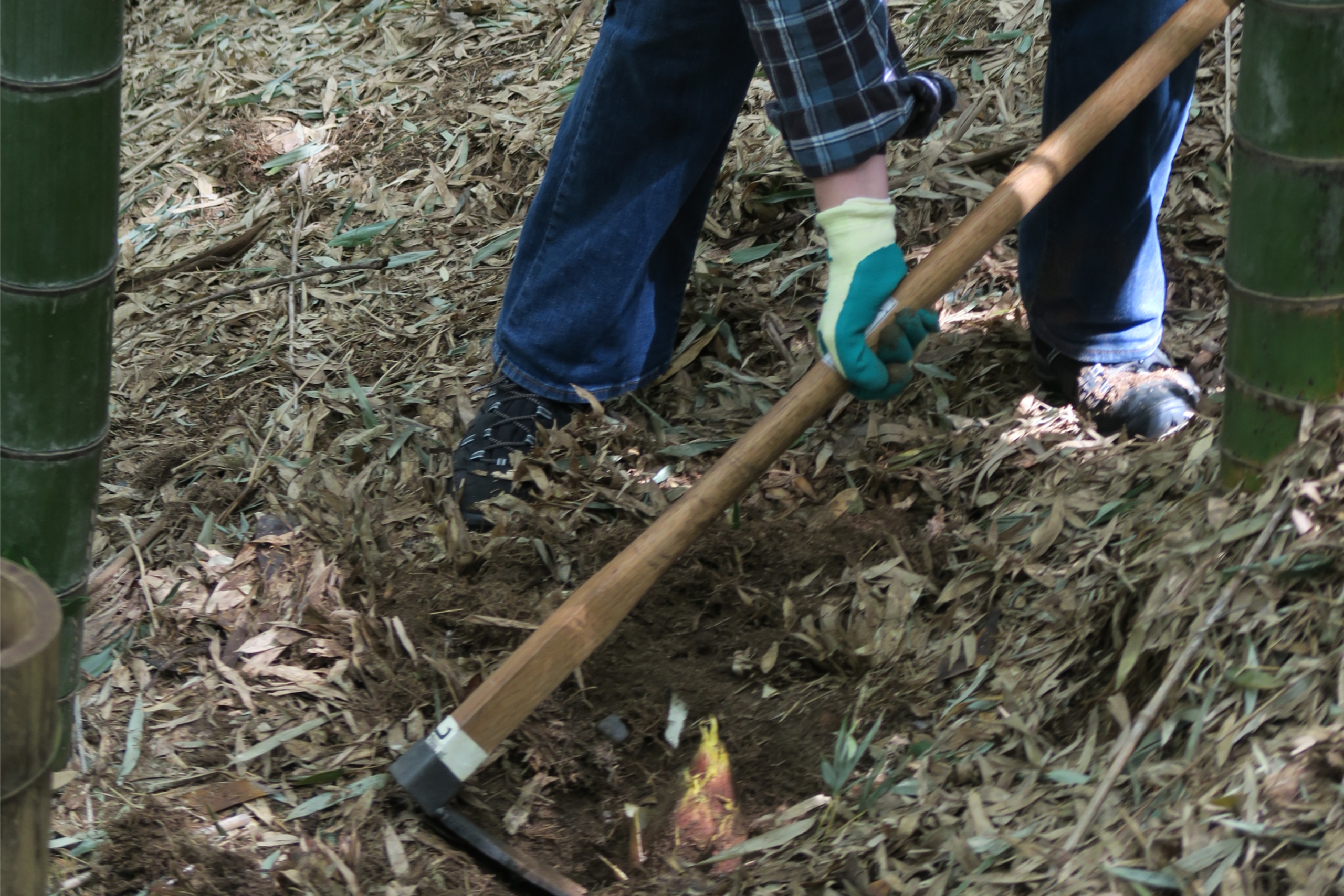
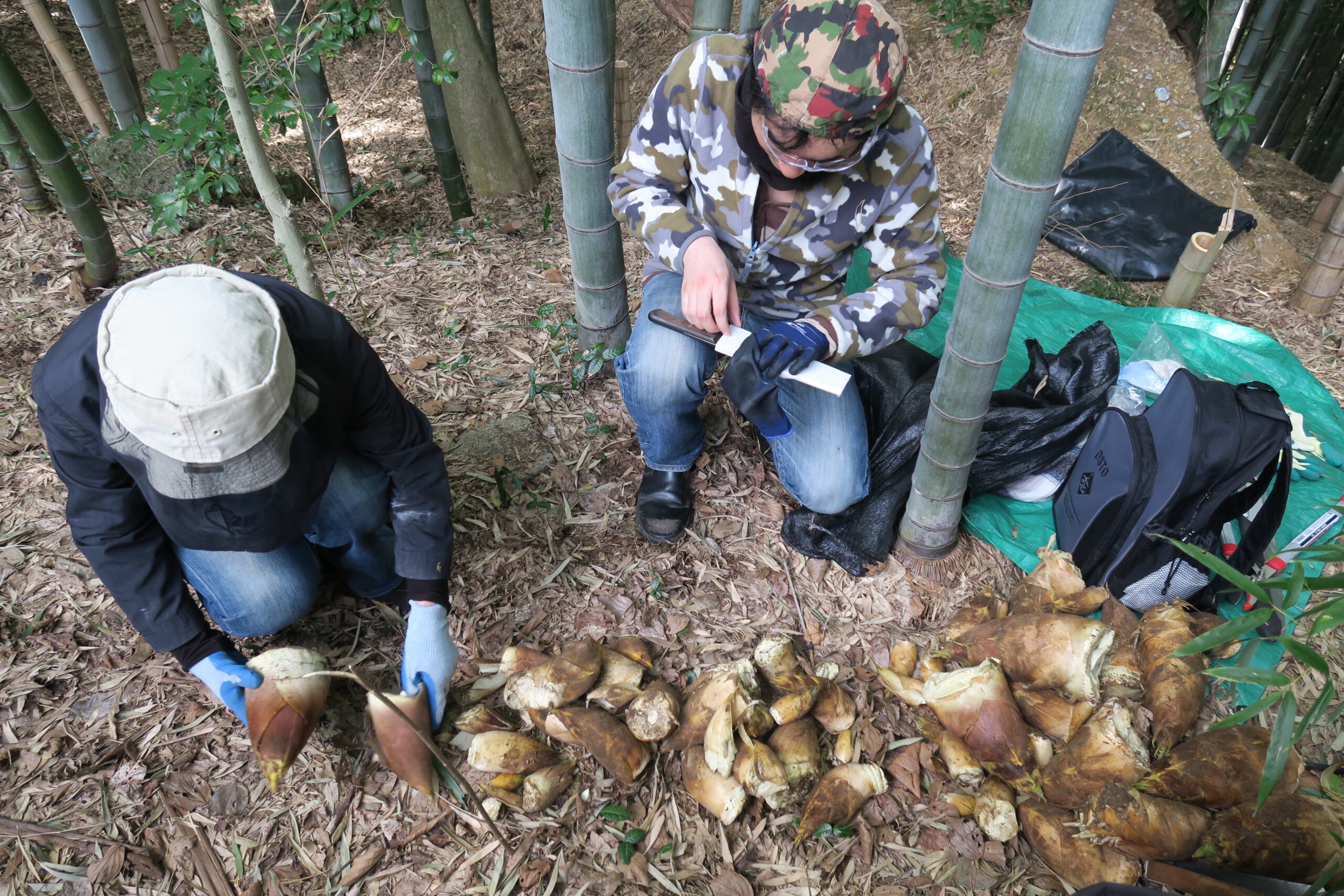
Bamboo forests are not only practical as a renewable resource for many products with strength and multipurpose, but grow quickly and act as an important carbon sink, preventing erosion. Bamboo plants are notable as the primary food source for Pandas in the wild in China. The sprouts are a delicate food source, and harvesting them sustainably helps keep bamboo forests healthy.